






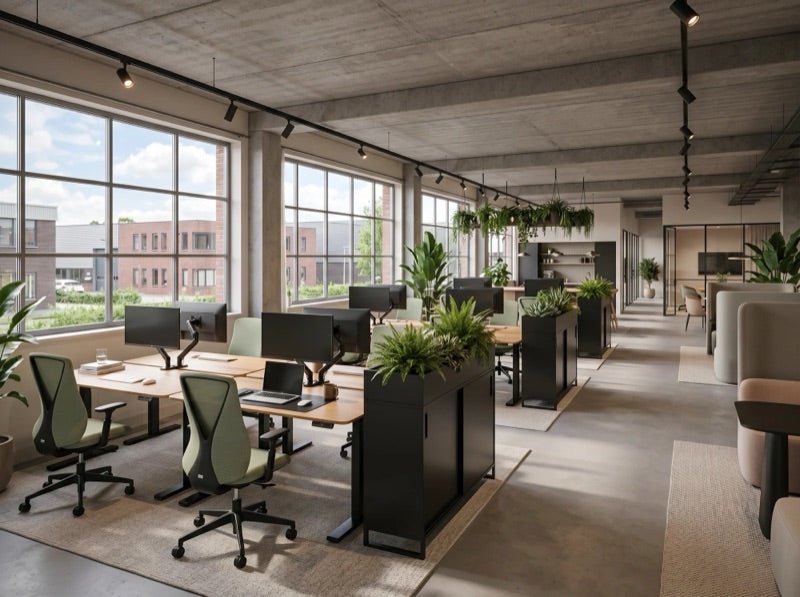
Guide to Choosing the Best Ergonomic Office Chair: A Review Comparison
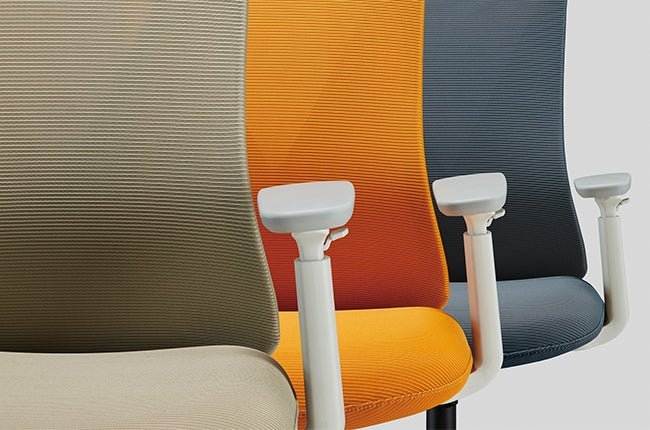
IVONO Chair Guide 2026
Four chairs, one calm comparison, based on posture, adjustability, and how you actually work.
We work quieter, longer, and more often from one fixed spot. You rarely feel it right away. It usually shows up later in the day: a lower back that feels “loaded”, shoulders creeping upward, and focus fading faster than you want.
A great ergonomic chair is not a miracle cure. It is a smart foundation. It makes an upright posture easier, and movement more natural. That difference is what determines whether you still feel fresh at the end of the day.

Quick pick


In this article
What to look for in an ergonomic office chair
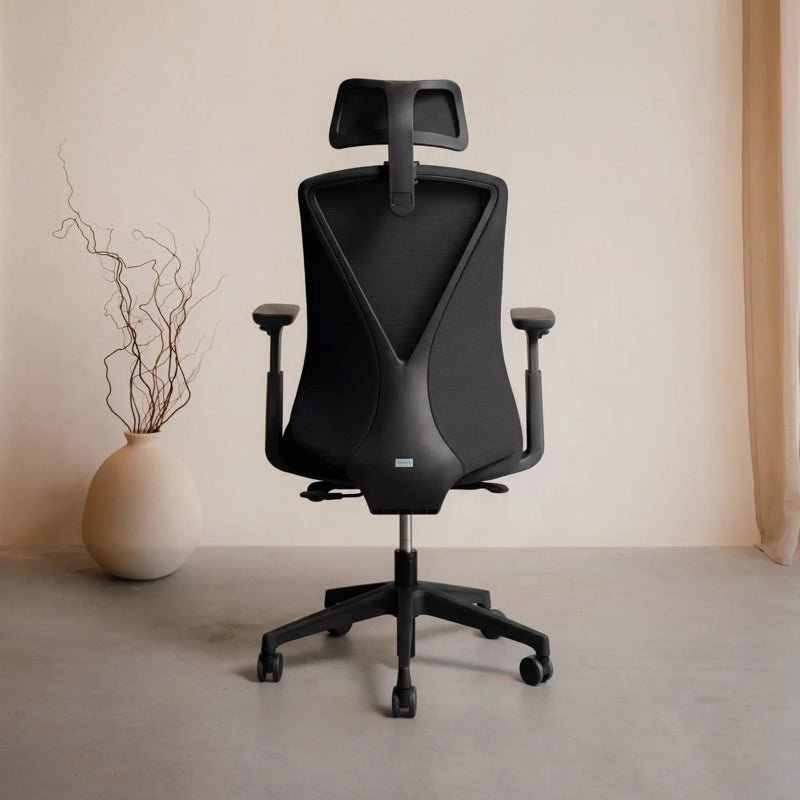
The right chair does not feel like a “device”. It feels like calm support. These are the elements that make the biggest difference in everyday use:
- Lumbar support: support at the right height prevents your lower back from compensating all day.
- Seat depth: enough support under your thighs without pressure behind the knees, especially important on long days.
- Armrests: keep shoulders low and wrists calmer, particularly during typing and mouse work.
- Movement: micro movement through tilt or Swing reduces static load, this is where ergonomics often truly begins.
- Material and ventilation: breathable back support keeps comfort consistent, even in warmer rooms or longer sessions.
- Standards: relevant for professional use, such as NEN EN 1335, focusing on adjustability within safe ranges.
A quiet truth: the “best” chair is rarely the most complex. It is the chair that fits your body and your work style.
Prefer to browse all colours and variants first?
View the chair collectionFour IVONO chairs, the same structure, a clearer choice
Each model has its own sweet spot. For each chair you will see who it suits, what you will notice, and when another option makes more sense.
Pace
All day focus, professionally calm

Core: Pace is built for long workdays: stable, intuitive, and comfortable without you needing to think about it all day.
- Ideal for: a fixed workstation, long screen time, professional or home office use.
- What you notice: a calmer posture, shoulders stay lower, solid support, comfort that holds up hour after hour.
- Not ideal if: maximum Swing dynamics is your main priority.
Butterfly
Design that supports your posture

Core: Butterfly is the chair you notice first for its shape, then keep for the way it holds your posture in line. Especially helpful if you tend to sink as the day goes on.
- Ideal for: anyone who wants ergonomics without a technical look, at home or in a client facing space.
- What you notice: a clearer upright position, strong armrest adjustability, breathable fabric for long sessions.
- Not ideal if: you want a very soft, lounge like sit, Butterfly is intentionally supportive.
Zen
Premium dynamics for active support

Core: Zen is for people who feel the difference between sitting still and moving intelligently. Swing helps your body stay subtly active, without turning your day into constant motion.
- Ideal for: long focus blocks, intensive screen work, anyone who stiffens quickly from static sitting.
- What you notice: active lower back support, a cooler mesh back, strong adjustability including 4D armrests.
- Not ideal if: you dislike any kind of movement and prefer a fully fixed feel.
Poko
Accessible comfort with a calm look

Core: Poko is designed as a comfortable all rounder: pleasant, logically adjustable, and visually soft. A strong choice when you want a great chair without needing every premium feature.
- Ideal for: home offices, shared desks, smaller rooms, everyday all round use.
- What you notice: comfortable lumbar support, smooth tilt, breathable Wintex fabric.
- Not ideal if: you specifically want 4D armrests or maximum premium dynamics.
Comparison
These are the factors that matter most in real life: armrests, adjustability, dynamics, and ranges.
Tip: on mobile you can swipe horizontally to see the full comparison.
Quick checklist to set your chair correctly
- Seat height: feet flat on the floor, knees around 90 degrees.
- Seat depth: leave about two to three fingers between the seat edge and the back of your knees.
- Lumbar support: noticeable support in your lower back, without a pressure point.
- Armrests: shoulders relaxed, elbows around 90 degrees while typing.
- Movement: alternate between upright work and short moments of gentle movement to reduce static load.
Ready to choose a chair that truly fits your workday?
Compare chairs in the collection