






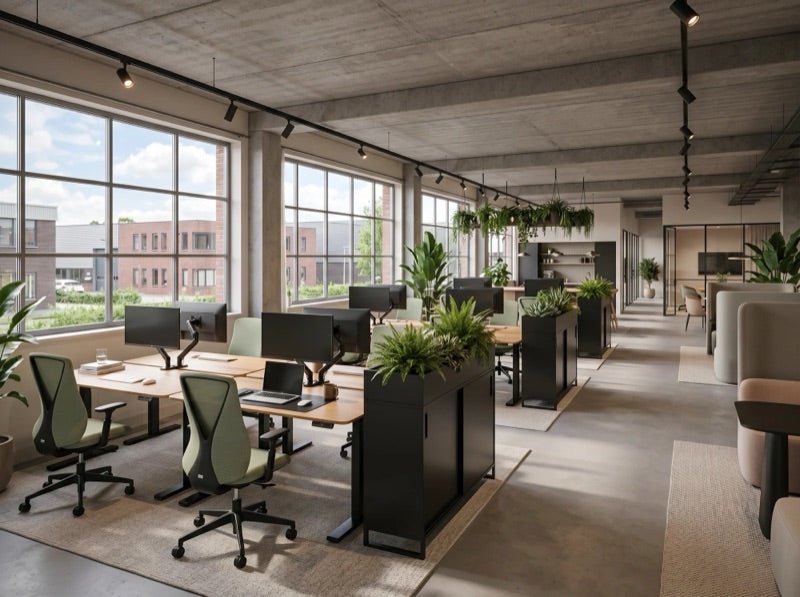
Ergonomic Office Chairs - NEN-EN 1335 Standards
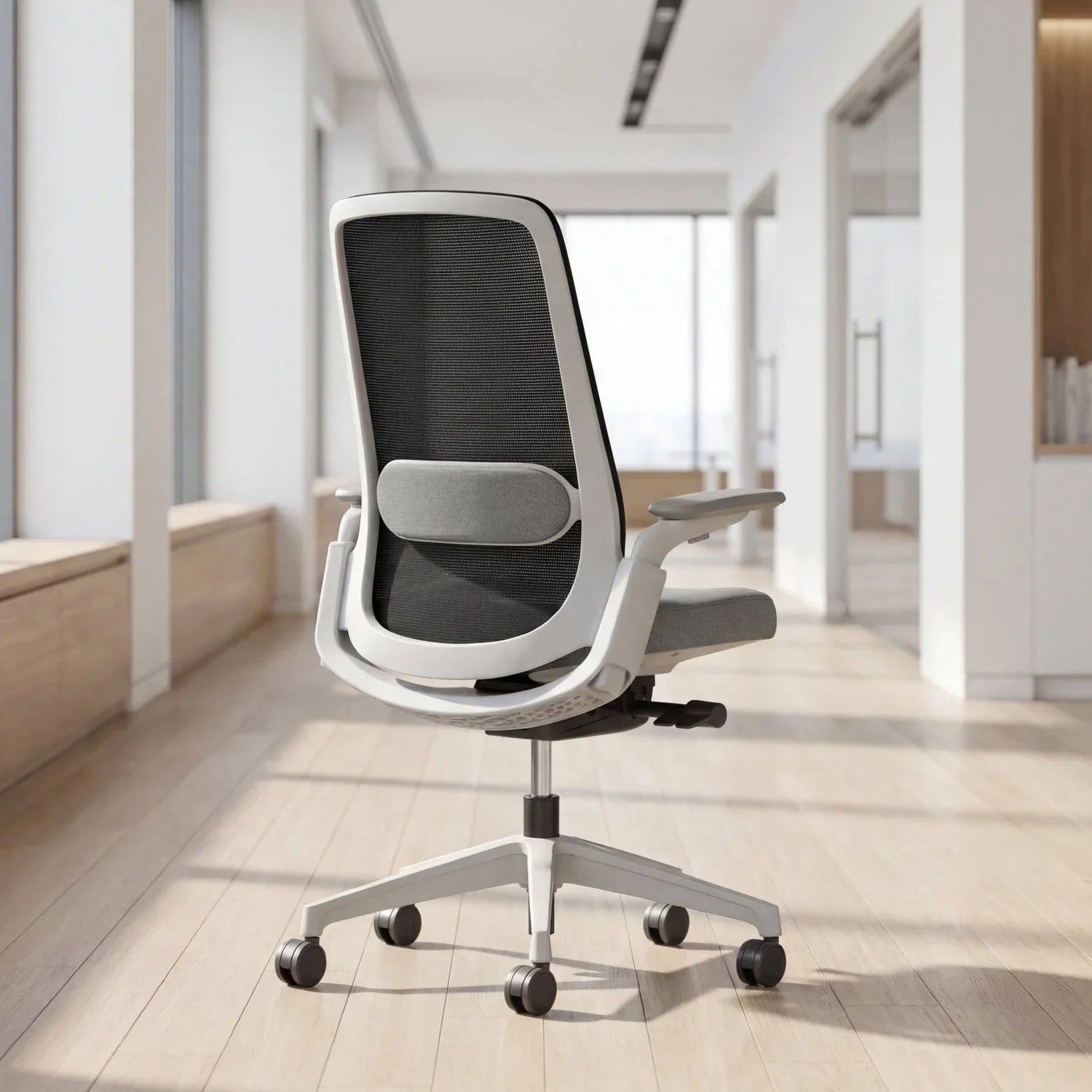
NEN-EN 1335 Office Chair Standard Explained (2026): what it really means for your workday
A calm, practical guide to ergonomic chair standards, how they translate into real comfort, and which IVONO chair fits your body and work style.
You don’t buy an office chair to tick a compliance box. You buy it because you spend hours in one place and your body eventually tells you: a lower back that works harder than it should, shoulders creeping upward, and focus fading faster than you’d like.
NEN-EN 1335 matters because it is not marketing language. It is about dimensions and adjustability within safe ergonomic ranges. In plain English: can you set the chair up so your posture feels calmer, without spending the whole day “compensating”?

Want to browse all models and colours in one calm overview?
View all office chairsWhat is NEN-EN 1335, exactly?
NEN-EN 1335 is a European standard for office chairs. It focuses on key dimensions and adjustability. The goal is simple: a chair should be adjustable for a broad range of people, so your posture and support stay correct during long workdays.
One important nuance: a standard does not mean a chair is perfect for everyone. Your body, your work style (heavy typing, lots of calls, frequent leaning back) and your space (home office, workplace, shared desk) decide what truly feels right.
The parts you feel in real life
If you take one thing away: ergonomics is not about sitting perfectly upright all day. It is about the right support and room to move. These are the elements that make the biggest difference day to day:
- Seat height: feet flat, knees around 90°. Too high or too low creates tension in legs and lower back.
- Seat depth: support under your thighs without pressure behind the knees, especially important for long days.
- Lumbar support: support at the right height so your lower back does not “pull” all day.
- Armrests: keep shoulders down and arms neutral for typing and mouse work.
- Movement: reclining or swing reduces static load so you stay comfortable for longer.
- Backrest and ventilation: breathable fabric or mesh keeps comfort stable in warmer rooms and longer sessions.
Quick pick by work style
Five chairs, five clear sweet spots. Choose based on how your day looks, not on specs alone.
Fast route
- Pace if you want calm, professional all day comfort that simply feels right (NEN-EN 1335 certified).
- Butterfly if you want design led aesthetics with active posture support (NEN-EN 1335 certified).
- Zen if you get stiff quickly and want premium micro movement support (NEN-EN 1335 certified).
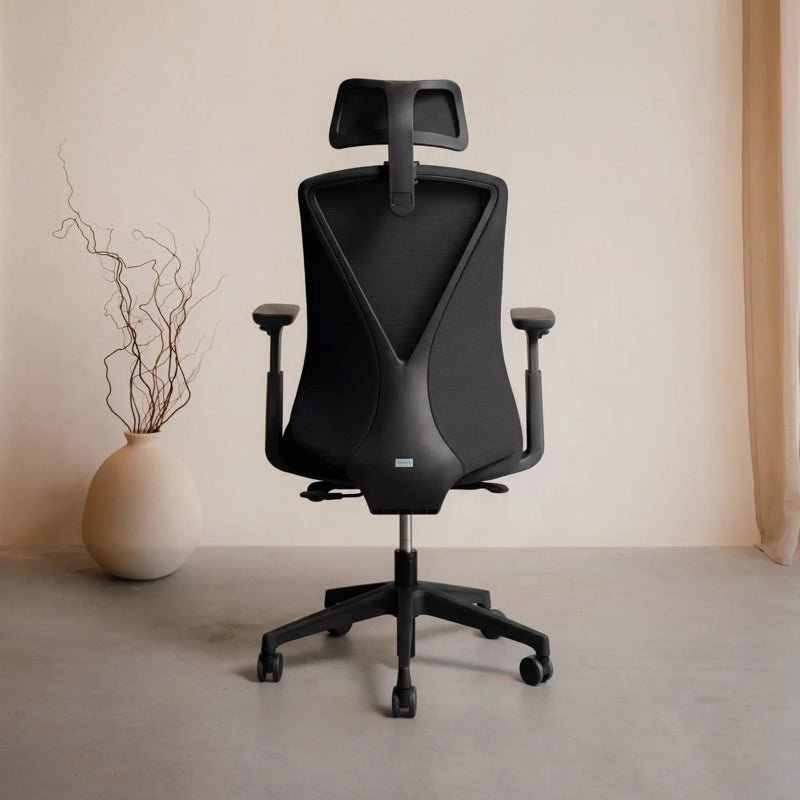
- Wing if you like an energetic, sporty sitting feel with headrest and Swing.
- Poko if you want approachable comfort with a calm look (BIFMA certified).
IVONO chairs compared
Each chair follows the same structure: who it is perfect for, what you will notice, and when another model fits better.
Pace
Calm professional support for all day focus
Core: Pace is made for long workdays with minimal friction. Set it up properly once, and what you notice afterwards is how steady your posture stays, even after hours of typing or meetings.
- Ideal for: a fixed workstation, heavy screen time, professional use and calm home offices.
- What you notice: stable support, consistent comfort pressure, arm positioning that keeps shoulders relaxed.
- Not ideal if: you want the most dynamic swing feel as the main feature.
- Standard: NEN-EN 1335 certified (exact details and load rating are listed on the product page).
Butterfly
Design led comfort that keeps your posture on track

Core: Butterfly blends a natural silhouette with clear support. The Y shaped backrest helps keep your spine more upright, while 4D armrests reduce tension in neck and shoulders.
- Ideal for: anyone who wants ergonomics with a premium, calm look in the room.
- What you notice: supportive upright sitting feel, wide armrest adjustment, breathable Wintex fabric.
- Not ideal if: you prefer a very soft lounge like sit (Butterfly is intentionally supportive).
- Standard: NEN-EN 1335 certified (max. 135 kg).
Zen
Premium micro movement for long focus sessions

Core: Zen is for people who feel the difference between sitting still and moving smart. With Swing Technology and a 3D dual backrest, your body stays subtly active while the support remains calm and consistent.
- Ideal for: long sessions, heavy screen work, anyone who gets stiff from static sitting.
- What you notice: active lumbar support, cooler mesh backrest, 4D armrests for a more neutral arm position.
- Not ideal if: you strongly dislike any movement and prefer to sit completely fixed.
- Standard: NEN-EN 1335 certified (max. 135 kg).
Wing
Sportier sitting feel with Swing and headrest

Core: Wing is built for a more dynamic rhythm. The V shaped backrest encourages an active posture, while Swing Technology and weight synchronised recline keep movement natural. With an adjustable headrest, Wing is especially comfortable for longer workdays.
- Ideal for: anyone who likes an energetic sitting posture and values a headrest.
- What you notice: active supportive feel, sandwich seat cushion, breathable Wintex fabric.
- Not ideal if: you want the most extensive armrest package (Wing has 2D armrests).
- Load: up to 135 kg (certification details are listed per model on the product page).
Poko
Approachable comfort with a calm look

Core: Poko is designed to make your workday feel softer. Yoga inspired lines, comfortable lumbar support, and automatic weight synchronised recline deliver relaxed working without fuss.
- Ideal for: home offices, shared desks, smaller rooms, all round daily use.
- What you notice: relaxed sitting feel, quick intuitive controls, breathable Wintex fabric.
- Not ideal if: you specifically want 4D armrests or maximum dynamic movement as the main feature.
- Certification: BIFMA certified (tested for quality and durability).
Comparison (same order, no noise)
This overview focuses on what you actually feel day to day: movement, armrests, key ranges and certification.
Tip: on mobile you can swipe horizontally to see the full comparison.
Mini checklist: set your chair up correctly
- Seat height: feet flat on the floor, knees around 90 degrees.
- Seat depth: keep 2 to 3 fingers of space behind your knees.
- Lumbar support: clear support in your lower back without a pressure point.
- Armrests: shoulders relaxed, elbows around 90 degrees while typing.
- Movement: alternate between upright work and short supported movement to reduce static load.
Want to optimise your workspace further? Pair a great chair with the right desk height and a screen positioned at eye level.
Ready to choose a chair that fits your body and your workday?
Compare chairs in the collection