






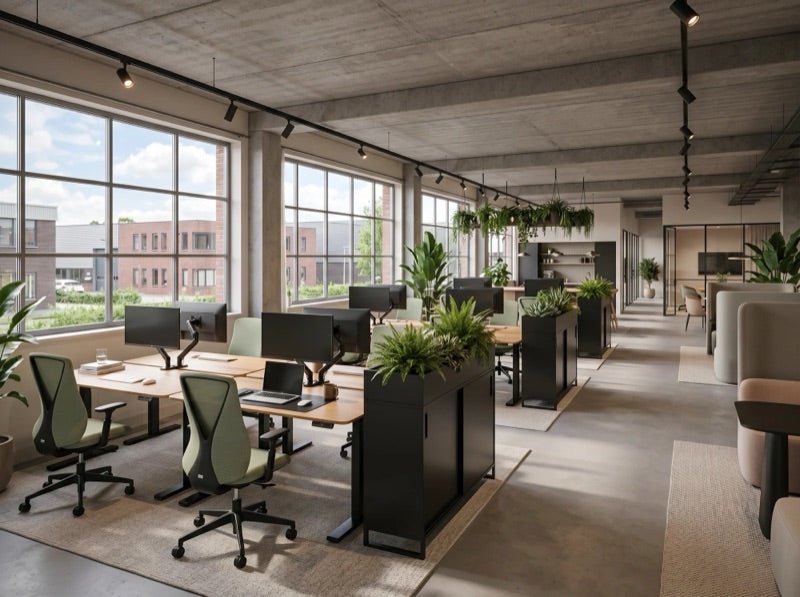
Ergonomic standards for sit stand desks in 2026 (EN 527 and NPR 1813)
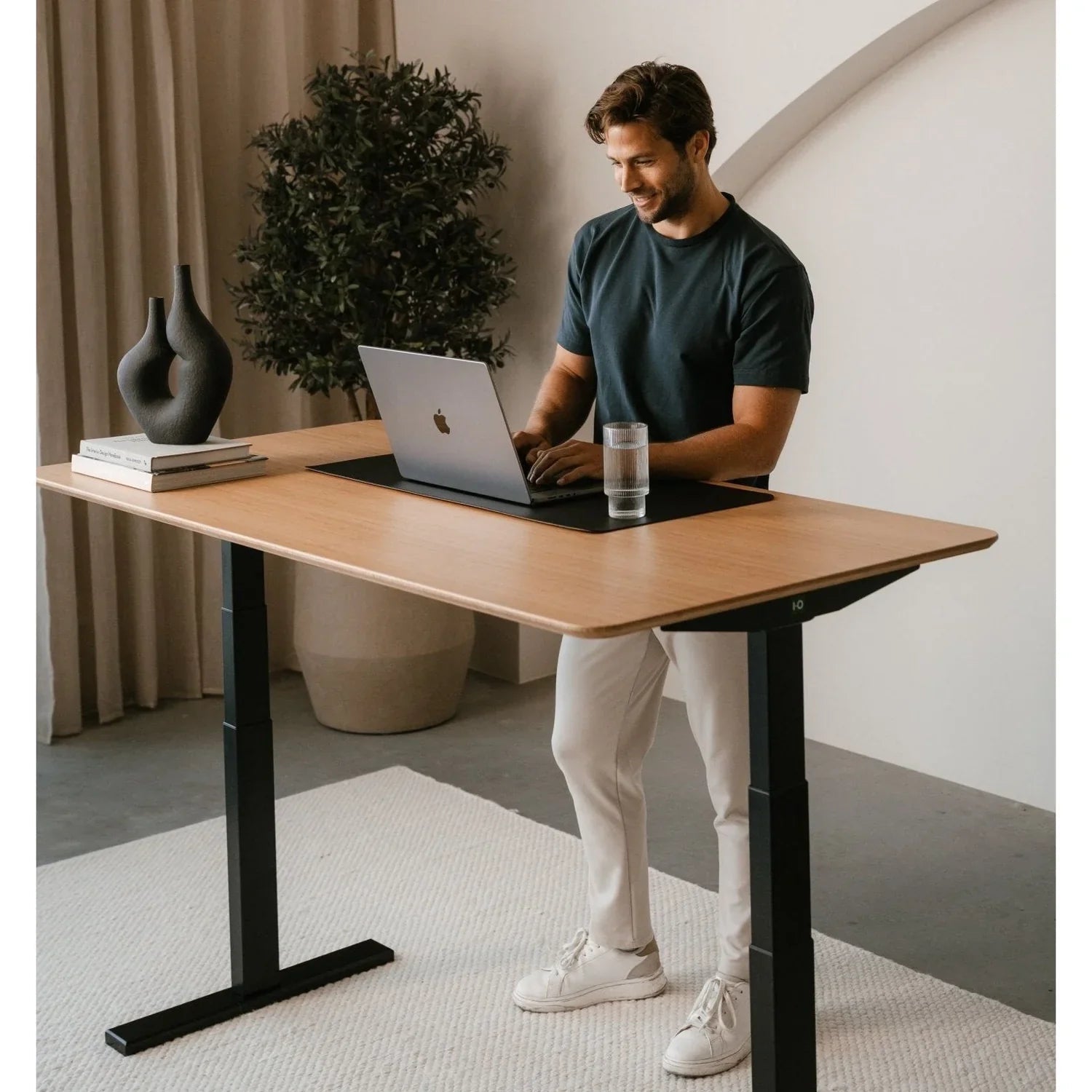
What these standards actually mean, when NPR 1813 matters, and how to choose a calm, professional sit stand desk that fits real work.
A sit stand desk is popular for a simple reason: it makes movement part of your day. Not because standing is “better” than sitting, but because switching keeps your body from spending hours in one static position. That is usually what people feel at the end of the day: a heavy lower back, tight shoulders, and focus that fades faster than it should.
If you want to set up a professional workspace (at the office or at home), standards come into play. Two names you will see most often in Europe and the Netherlands are EN 527 and NPR 1813. They sound technical, but they protect you from the practical problems: a desk that does not go low enough, does not go high enough, or does not feel stable when you actually work standing up.
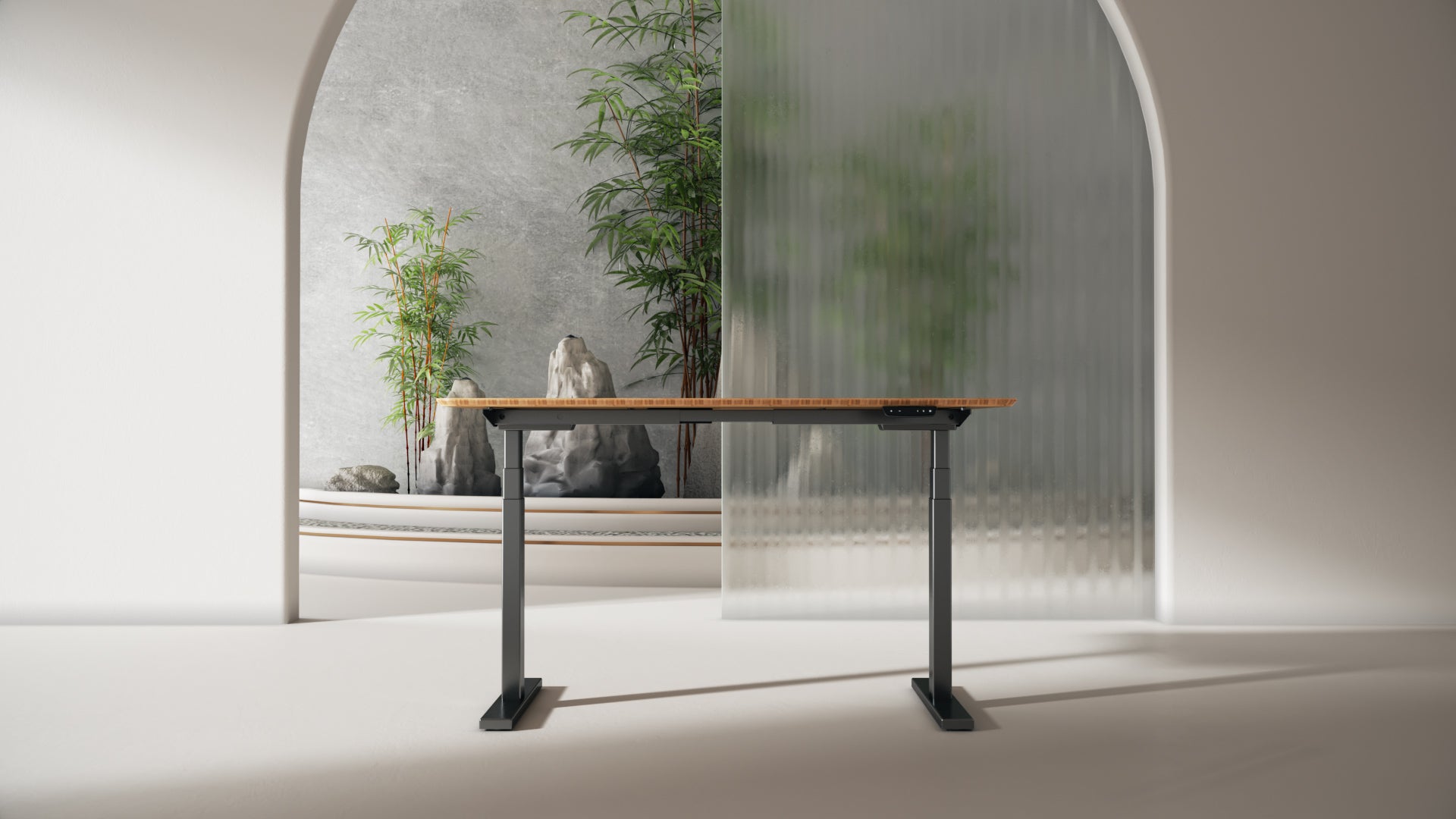
Quick overview
- EN 527 is the European desk standard covering safety, strength, durability, and recommended dimensions.
- NPR 1813 is a Dutch practice guideline with a wider height range for more body heights.
- Choosing SMART vs PRO depends on height range needs and shared use.
- IVONO desks are shown in the same structure so you can compare calmly.
- Comparison focuses on what you feel daily: range, stability, controls, and surfaces.
Want to browse all sit stand desks first (sizes, finishes, and options) without overthinking it?
View all sit stand desksWhat is EN 527?
EN 527 is the European standard for desks. In practice, it defines requirements around safety, strength, and durability, plus guidelines for desk dimensions and recommended height adjustability. For many professional environments, this is the baseline that ensures a desk is built to be used daily.
The practical takeaway is simple: an EN 527 aligned desk should feel stable, reliable, and safe to use, especially when you switch between sitting and standing throughout the day.
What is NPR 1813?
NPR 1813 is a Dutch practice guideline that builds on the European approach, but aims to better serve a wider range of users. The key point is a broader height adjustment range, which helps both shorter and taller people reach ergonomic positions more easily.
In plain language: if multiple people use the same desk, or you simply want maximum ergonomic coverage without guessing, NPR 1813 is often the more comfortable choice over time.
When should you choose SMART vs PRO?
IVONO offers two approaches with the same calm experience, but different ergonomic coverage:
- SMART fits many users well and is ideal when you want a quiet, stable daily desk with a “set and go” feel. For example, Echo and Toka SMART are typically 71–120 cm.
- PRO is the choice when you want maximum ergonomic range or a desk that works for more people. For example, Echo and Toka PRO are typically 65–130 cm, aligning with the wider NPR-style range.
A useful rule: the less friction you have (range limits, wobble at standing height, annoying controls), the more you will actually switch. And switching is where sit stand work becomes valuable.
IVONO desks for a professional ergonomic setup
Echo, Toka, and Doko are shown in the same structure. You get clarity without a “product page” feeling.
Echo
Minimal, stable, built for everyday switching

Core idea: Echo is designed for calm daily use. Stable at height, quiet in motion, and simple to operate, so switching becomes automatic rather than something you “have to remember”.
- Best for: clean home offices and modern workspaces that should feel minimal.
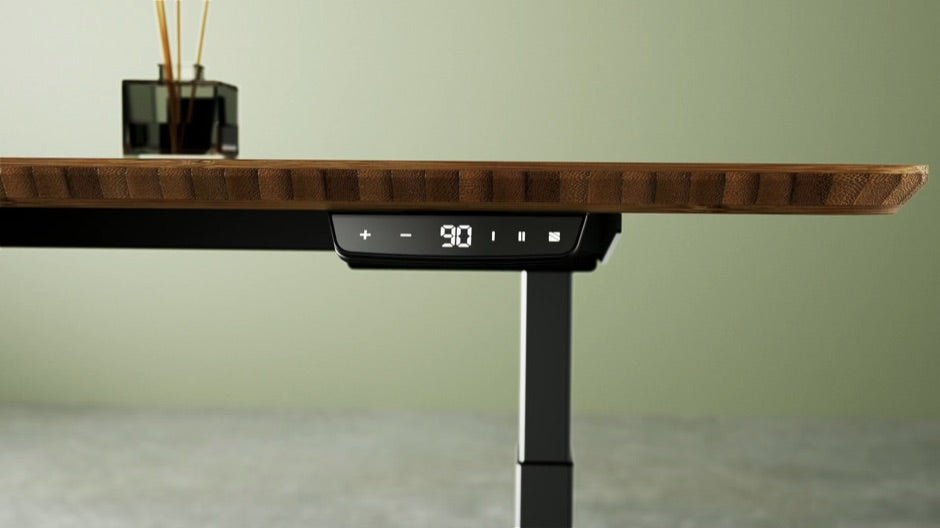
- You will notice: quiet lift, easy presets, and a steady feel while typing standing up.
- Choose PRO if: you want maximum ergonomic range or a desk used by multiple people.
Toka
Solid wood warmth with professional performance

Core idea: Toka brings a softer, warmer feel through solid surfaces, ideal when your desk lives in a shared space. You get an interior-friendly look with smooth, quiet switching.
- Best for: premium interiors, studios, and living spaces where materials matter.
- You will notice: calm controls with presets and a solid, “real wood” presence.
- Choose PRO if: you want the full 65–130 cm range and maximum ergonomic flexibility.
Doko PRO Duo
Built for shared workspaces, stable at scale

Core idea: Doko PRO Duo is designed for two setups in one composed system. It stays steady, lifts smoothly, and supports a shared rhythm with memory presets and reminder-style features.
- Best for: teams, studios, duo home offices, and shared rooms.
- You will notice: a wide 65–130 cm range and confident stability for heavier, busier setups.
- Most logical when: reliability and shared use matter more than maximum minimalism.
Comparison in the same order, no noise
This table focuses on what you feel day to day: height range, stability, controls, and surface options.
PRO 65–130
PRO 65–130
Tip: on mobile, swipe horizontally to view the full comparison.
Build an ergonomic workspace you can actually sustain
Standards cover the foundation. The daily feel comes from your setup details. These additions improve ergonomics without turning your desk into a gadget wall:
- Monitor arm: brings your screen to eye level, reduces neck and shoulder strain. View monitor arms
- Cable management: keeps your space safer and calmer, and leaves enough slack for standing height. View accessories
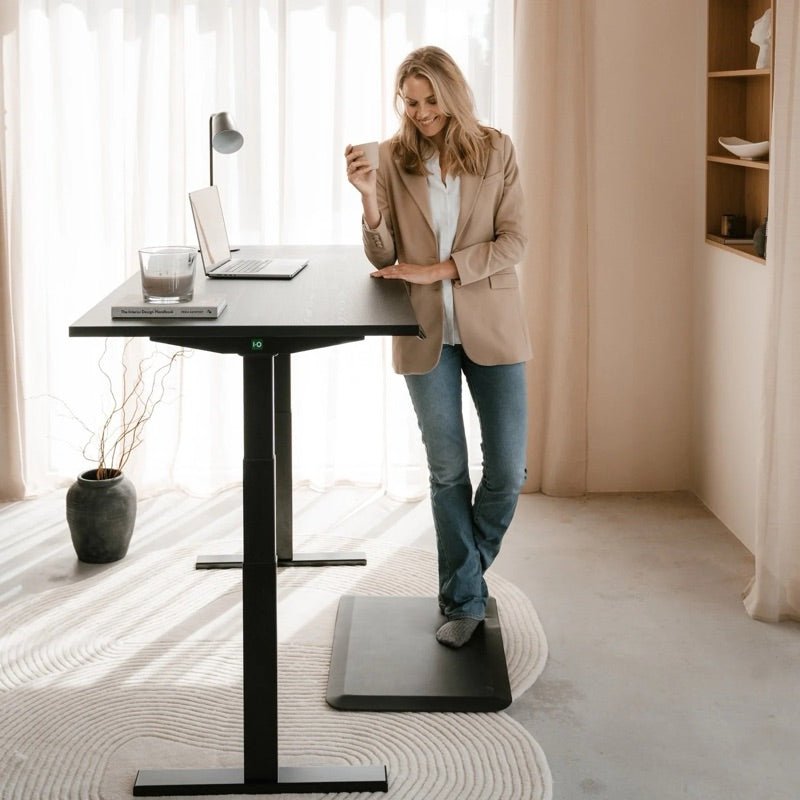
- Anti fatigue mat: makes standing feel softer on feet and lower back during longer blocks.
Mini checklist for switching without effort
- Save two presets: one sitting height and one standing height. If switching takes seconds, you will do it more often.
- Elbows around 90 degrees: shoulders relaxed, wrists calmer while typing.
- Screen at eye level: especially when standing, it prevents forward head posture.
- Keep switches small: every 30 to 60 minutes is a strong rhythm, even short standing moments help.
Ready to set up a calm ergonomic workspace with the right height range from day one?
Shop sit stand desks